/layer-4.png)
/layer-2.png)






Reflex Locomotion Therapy, also known as Vojta Therapy, is a specialized type of physical therapy. The technique was originally conceived by Czech neurologist Dr. Vaclav Vojta in the 1950s to enhance the motor development of children with cerebral palsy. Vojta therapy is founded on the premise that all humans possess innate developmental reflexes that are activated at different stages of childhood development. In particular, the abilities to grasp, roll over, creep, crawl, and walk are basic human movements pre-programmed within us.
A reflex is a response to a stimulus without having to think about it. A good example is touching a burning hot surface. You do not need to think about removing your hand from the heat to avoid burning, it simply happens reflexively. Other inborn reflexive behaviors in humans include breathing, swallowing and blinking.
As you mature, your innate movement patterns may become inefficient due to injury, degenerative disease, postural misalignments and overall wear and tear on your body. Inefficiencies in daily movement mechanics can create more problems over time, leading to spinal instability and back pain. During Vojta Therapy, your inborn reflexes are triggered to retrain common movement patterns and restore the neural connections between your muscles and your brain.
All movement patterns originate in your brain, with neural impulses traveling from your central nervous system, or CNS, to your peripheral nervous system, or PNS. Dr. Vojta hypothesized that networks of nerves between the brain and spinal cord can become functionally blocked, leading to inefficient movement mechanics. His theory is that by repeatedly stimulating reflexes that invoke movement, you can “remind” your brain of your natural inborn movement response and create new neural networking to restore efficient functional movement.
Your spinal column houses the complex network of nerves that descend from your brain and outward to your peripheral extremities. Because of its relationship with your CNS, a strong stable back and trunk are foundational to efficient movement. Your core muscles, situated at your center of gravity, govern trunk stability to maintain and regulate your body position in response to changes in the external environment. They work like a sort of corset to protect your spine, supporting and sustaining optimal posture whether you are standing still or moving. Muscles that support the trunk and spine and dictate movement include the transversus abdominis, the internal oblique abdominal muscle, the diaphragm, and the multifidus muscles.
/layer-1-copy.png)
Vojta treatment is performed with the patient lying supine, prone or on one side, common resting positions for a new baby. It is important to remember that stimulated movement during Vojta is reflexive in nature. There is no manipulation whatsoever. Reflexes are stimulated by applying purposeful painless pressure in specifically targeted stimulation zones while the patient remains in the defined position.
Vojta stimulation results in two locomotor responses in all humans, regardless of age: Reflex creeping and reflex turning. The movements are spontaneous, without conscious effort on the part of the patient or manipulation by the clinician. Turning over and creeping are developmental milestones in an infant that initiate the progression toward standing and walking. Failure to achieve the initial milestones of rolling over and creeping can indicate serious developmental problems in a child. Advocates of the Vojta method recommend early intervention in children, before inefficient movement patterns become habitual.
In adults, there are many indicators for Vojta treatment, including spinal and brain injuries, stroke, peripheral neuropathy, low back pain, herniated discs, incontinence and dysfunction of the pelvic floor. While results vary according to the degree and type of damage, Vojta therapy can relieve pain, and can improve and restore efficient functional movement.
Core muscle tension plays a key role in trunk stabilization. As a muscle group, optimal balance in the amount of tension contributed by the various muscles results in optimal stabilization and spinal position. In patients with low back pain, there is typically a gross imbalance in muscle tension that exacerbates the pain and contributes to further trunk instability.
A recent controlled study sought to measure the effect of the Vojta technique on the core musculature of healthy young adults with no indication of spinal instability. Reflexes in the experimental group were treated with targeted reflex stimulation in a side-lying position to trigger spontaneous movement. The control group also received stimulus, but not in the reflex zone. Treatments were performed for five minutes on each side, three times per week for a total of 10 rounds of stimulation. Changes in muscle thickness were measured using ultrasonography. The experimental group showed significant changes in core muscle thickness, indicating a correction in muscle tension and recruitment order. No similar changes were detected in the control group.
What is Chiropractic Medicine?
A common misconception about chiropractors is that they are only able to treat back and neck pain. Chiropractic manipulation therapy is a hands-on non-surgical treatment of the whole body with the emphasis on the musculoskeletal, and neurological systems. We treat patients who suffer from headaches, tendonitis, sprains, strains, stroke, osteoarthritis and other ailments and diseases.
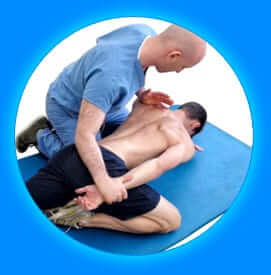
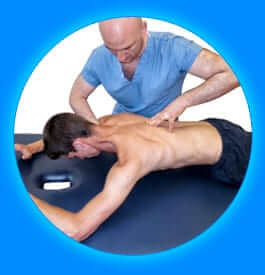
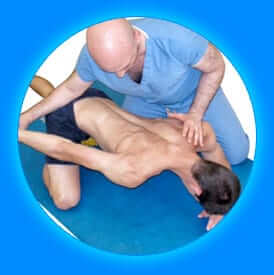
The chief problem of the main stream medicine approach to musculoskeletal disorders remains however. It lies in the highest degree of fragmentation among its practitioners, in which there is a specialist for practically every part of the human anatomy. A wrist doctor would not venture into the realm of a shoulder specialist; a knee doctor would most probably refer his patient developing reactive back pain to the lower back professional and so forth. This inability (or unwillingness) of main stream medicine professionals to see beyond their specialty prevents them from seeing the wider picture of musculoskeletal disorders. As the result, the success of the treatment is often localized to the area of each practitioners expertise usually at the expense of other areas that had been neglected in the process.
Chiropractic prevails where traditional medicine fails. With non-specific back pain usually many body structures are affected and all need to be simultaneously addressed in order to achieve tangible results. As the science of back pain develops we are again and again persuaded that the approach to treatment of back pain must be multifaceted. Today the truly most successful approach for conservative treatment of back pain is modern chiropractic because it integrates wide variety of manual and rehabilitative approaches. Modern chiropractors are well-versed in such advanced methods of medical diagnostics like Magnetic Resonance Imaging, Neurological Electrodiagnosis, Musculoskeletal Ultrasound to name a few. Chiropractors have become in fact the GPs of musculoskeletal pain. With people becoming more and more aware of often devastating consequences of back surgeries, the future of chiropractic is bright.
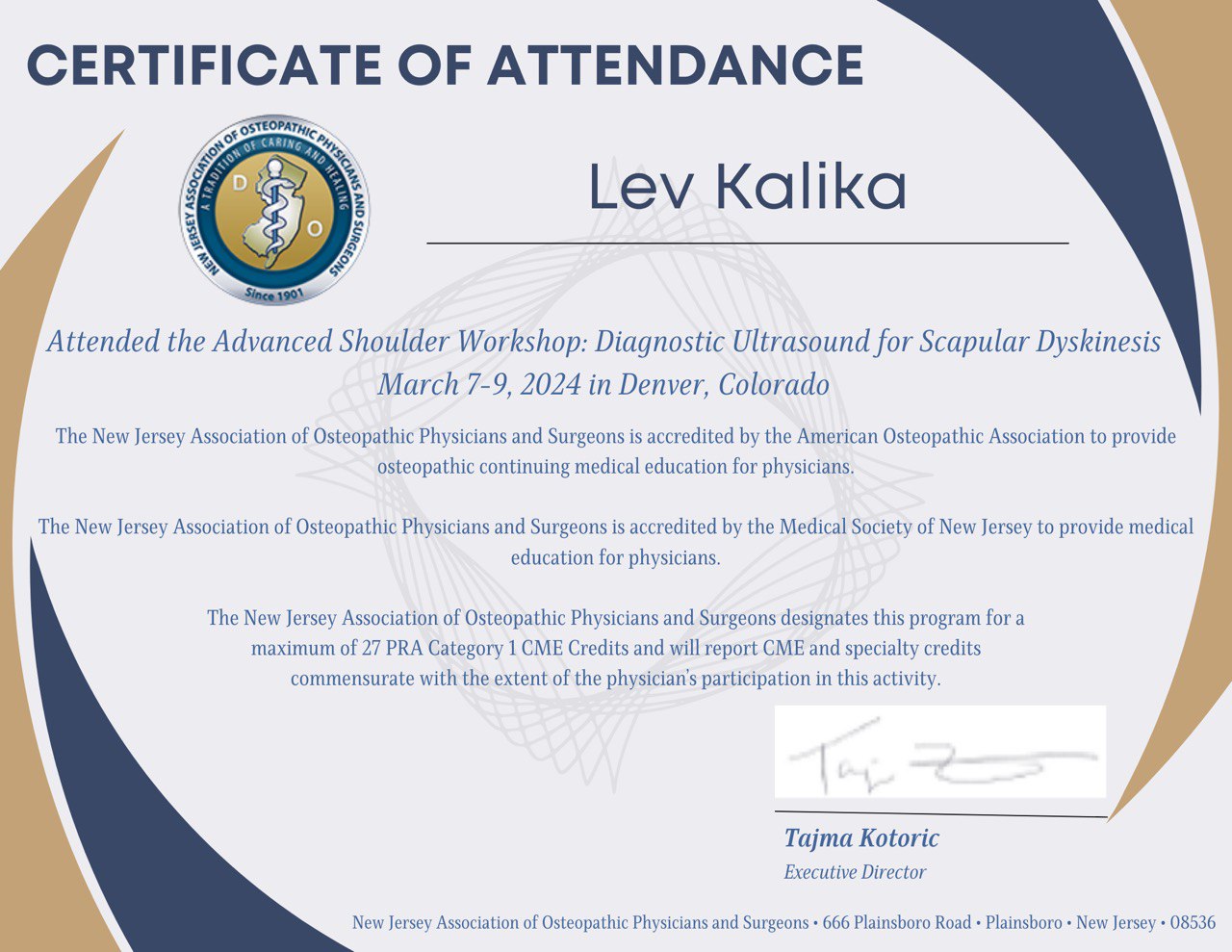
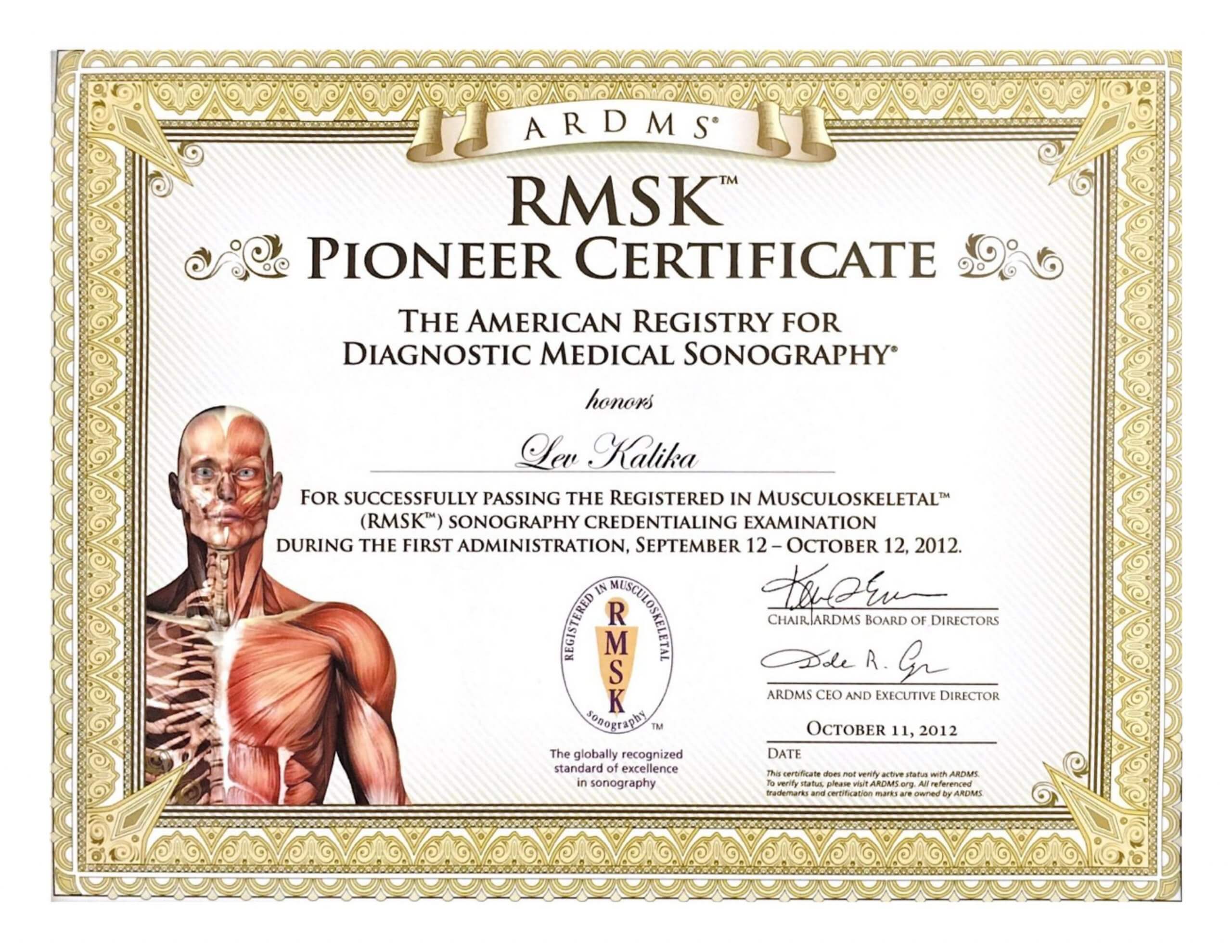
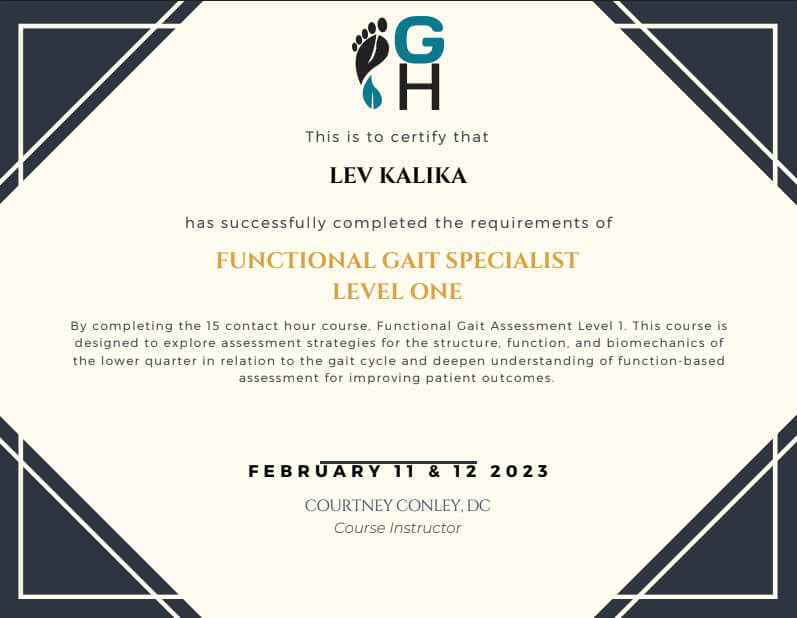
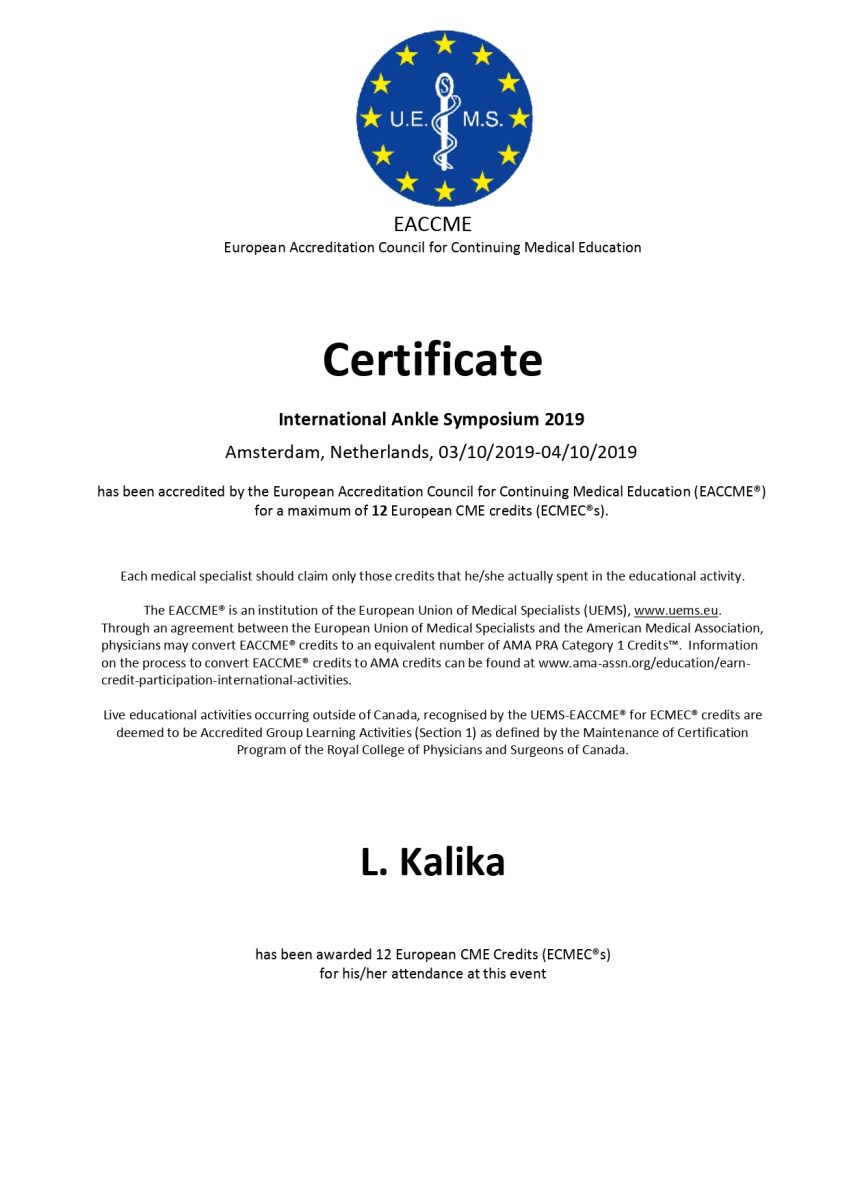
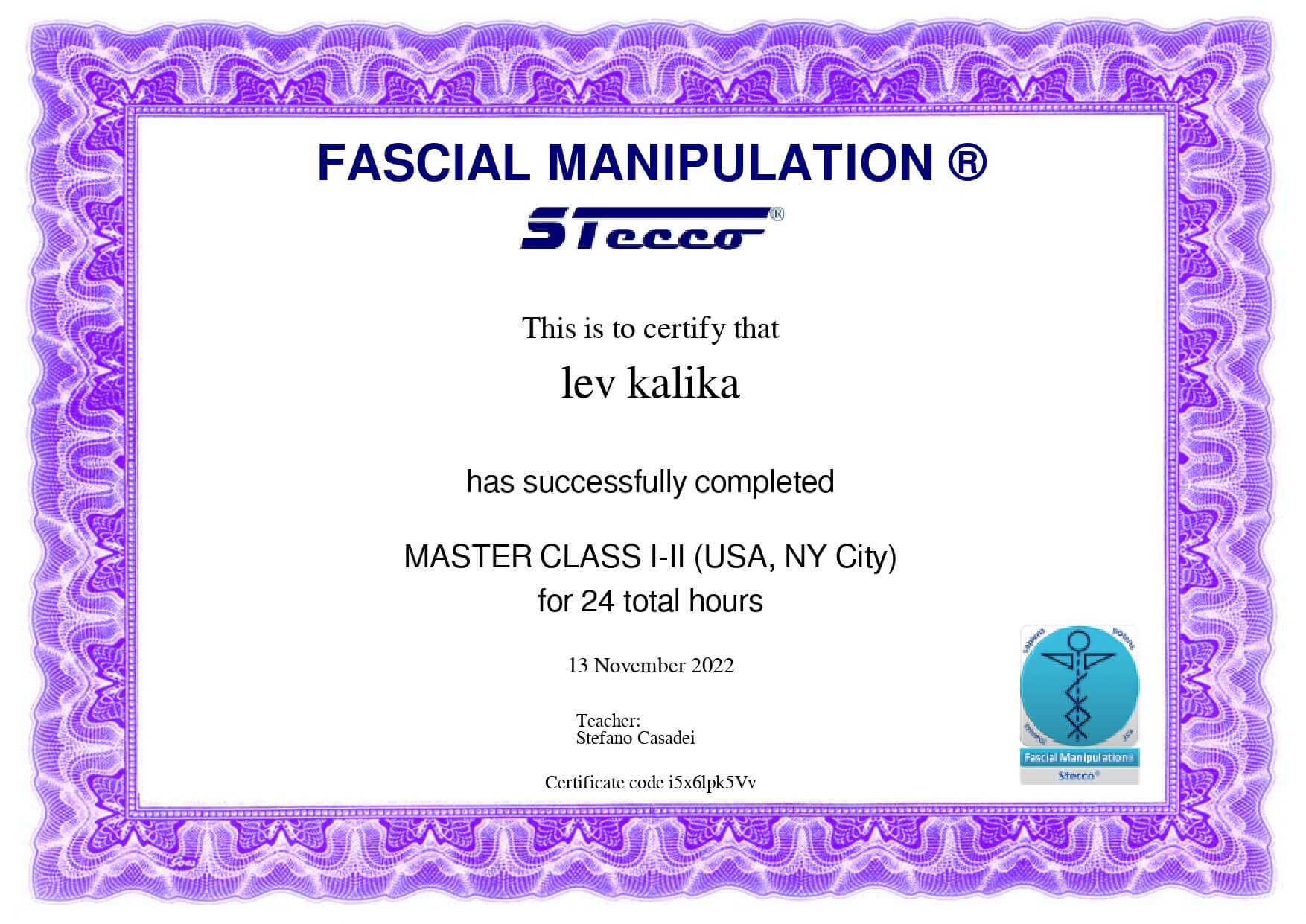
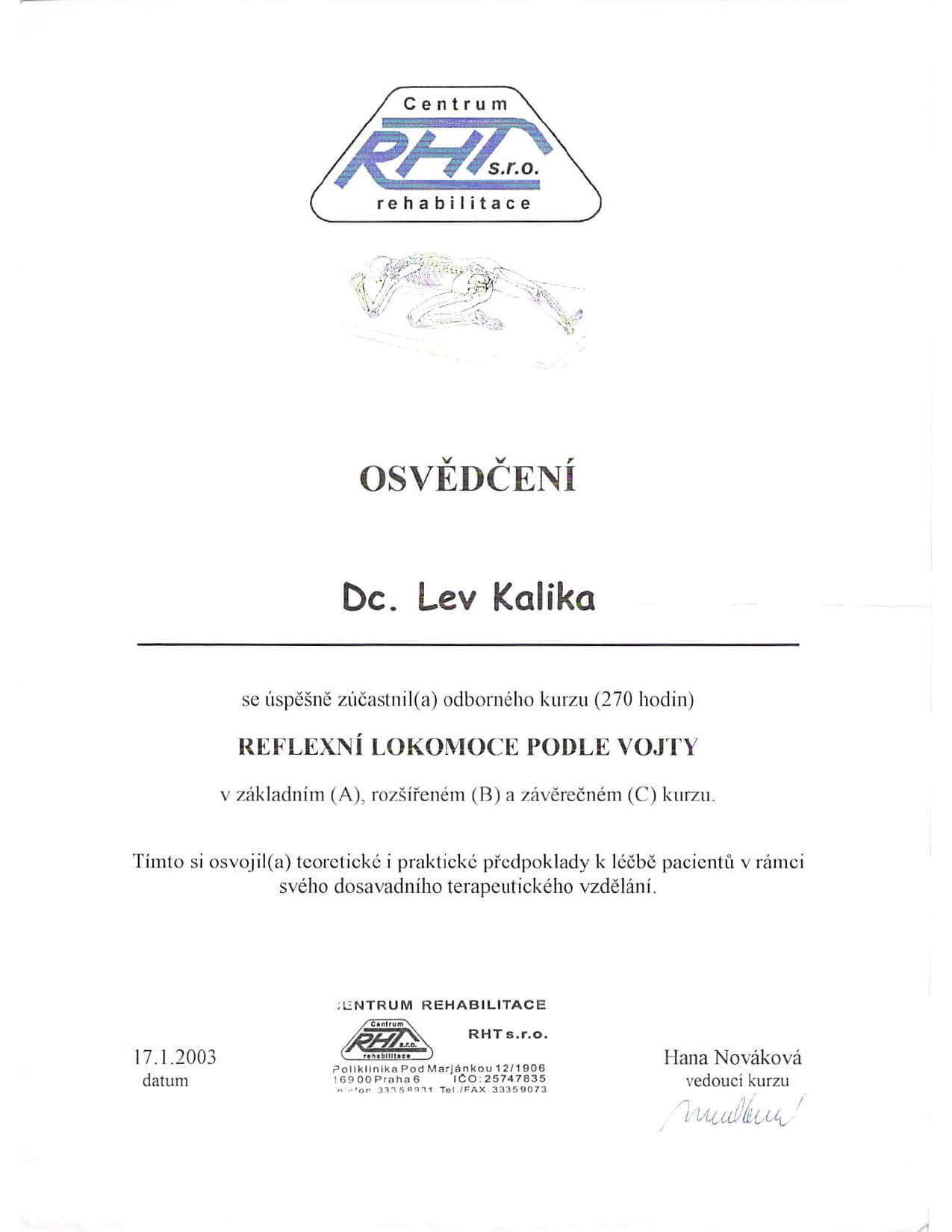
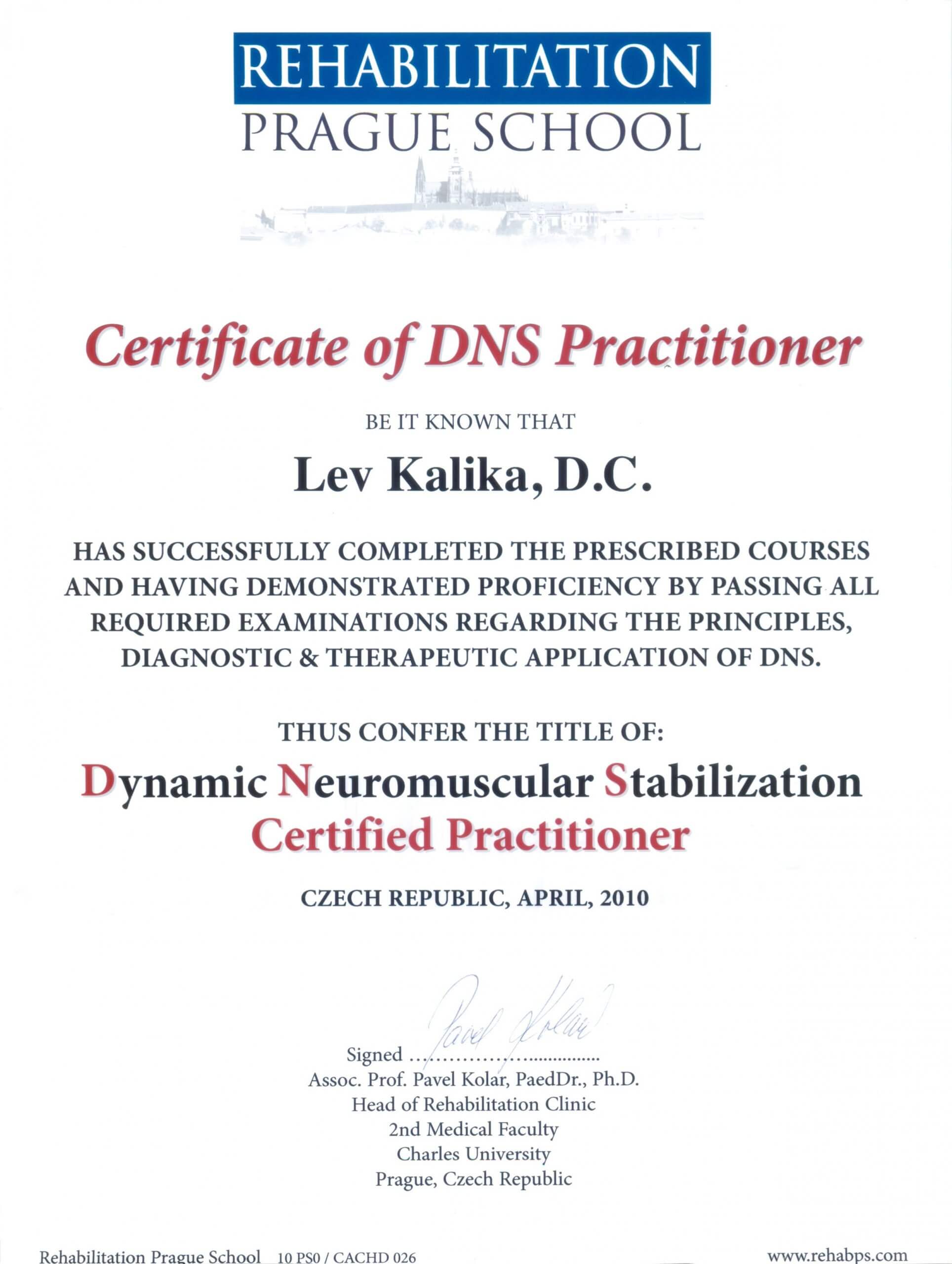
Until recently, Reflex Locomotion Therapy was known primarily in Europe. Vojta is used by elite athletes like Roger Federer, Novak Djokovic and Jaromír Jágr to keep them at the top of their game. In 2002, Dr. Lev Kalika of NYDNR brought the innovative therapy to the United States. Dr. Kalika trained at the famous Prague School of Rehabilitation under Dr. Pavel Kolar, who created the modern therapy protocol called Dynamic Neuromuscular Stabilization (DNS). Dr. Kalika has helped hundreds of patients to restore efficient movement and relieve pain through Reflex Locomotion Therapy at NYDNR, located in NYC.
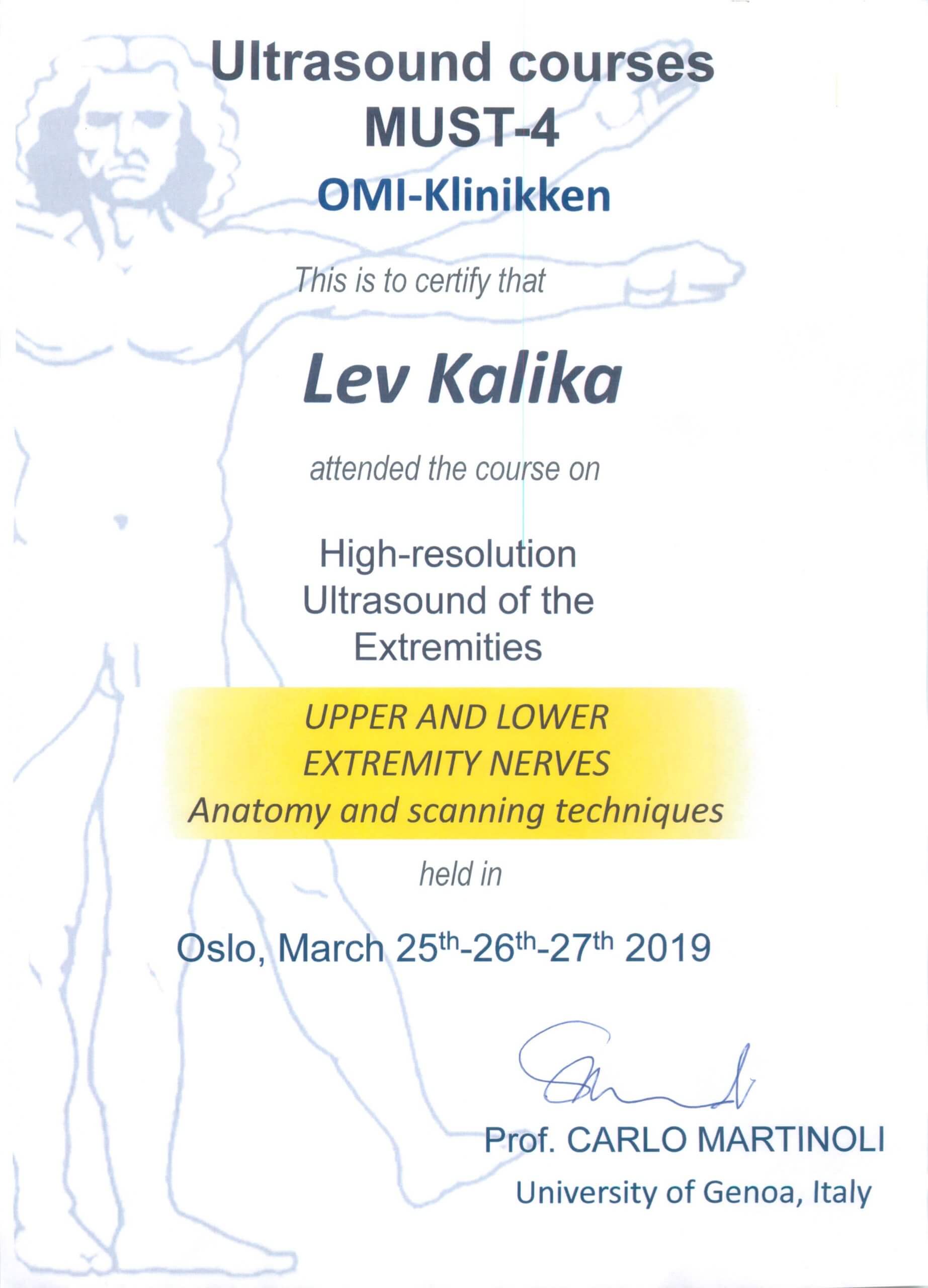
Dr. Kalika is currently a certified member of:

American Institute of Ultrasound Medicine

Active member of ISMST
International Society of Extra Corporeal Shockwave Therapy

Active member of GCMAS
Gait and Clinical Movement Analysis Society

Active member of NASS
North American Spine Society

Active member of IADMS
International Association of Dance Medicine and Science

Active member of Virtual Rehabilitation Society

Active member of ASRA
American Society of Regional Anesthesia and Pain Medicine

American Academy
Association of Orthopedic Medicine

Active member of Interventional Orthobiologics Foundation




/01.png)
August 9, 2023
Reflex locomotion, or Vojta Therapy, was developed by the Czech Pediatric Neurologist, Prof. Vojta in the early 1950’s. Reflex locomotion is highly specialized type of physical therapy which was designed primarily tor development of a child and treat severe neurological diseases like Cerebral palsy.
Since then, reflex locomotion has been systematically developed further and has become a broader base of neurophysiologic principles which have acquired wide application in the therapeutic field. Dynamic Neuromuscular Stabilization (DNS) Therapy, according to Kolar is based on neurophysiological principles of reflex locomotion.
Due to adults and geriatric patients suffering from Acute and Chronic Back Pain, herniated disc or trauma can all benefit from reflex locomotion and DNS therapy.
Reflex locomotion was developed in an empirical manner. Professor Vojta observed moto stabilize himself. He established that this provoked a “global” dynamic muscle activity that can be found in all forms of human locomotion and represent the basis for human movement.
The “global pattern” refers tor rehabilitation of babies, children, adolescents, and adults.
The therapeutic goals of reflex locomotion are to stimulate coordinated muscle activity. These skills are disturbed in every central or peripheral lesion of the nervous systems or impairment of the movement apparatus.
For more information, visit The International Vojta Society (German Only).

Verified Expert Profiles


Dr. Lev Kalika is a world-recognized expert in musculoskeletal medicine. with 20+ years of clinical experience in diagnostic musculoskeletal ultrasonography, rehabilitative sports medicine and conservative orthopedics. In addition to operating his clinical practice in Manhattan, he regularly publishes peer-reviewed research on ultrasound-guided therapies and procedures. He serves as a peer reviewer for Springer Nature.
Dr. Kalika is an esteemed member of multiple professional organizations, including:

Below is a prime example of how ultrasound can take the guesswork out of diagnosis.

A bad physical therapy experience is one of the primary causes of unnecessary surgery

In this instance, an athlete was originally diagnosed with minor quadriceps muscle strain and was treated for four weeks, with unsatisfactory results. When he came to our clinic, the muscle was not healing, and the patients’ muscle tissue had already begun to atrophy.
Upon examination using MSUS, we discovered that he had a full muscle thickness tear that had been overlooked by his previous provider. To mitigate damage and promote healing, surgery should have been performed immediately after the injury occurred. Because of misdiagnosis and inappropriate treatment, the patient now has permanent damage that cannot be corrected.
The most important advantage of Ultrasound over MRI imaging is its ability to zero in on the symptomatic region and obtain imaging, with active participation and feedback from the patient. Using dynamic MSUS, we can see what happens when patients contract their muscles, something that cannot be done with MRI. From a diagnostic perspective, this interaction is invaluable.
Dynamic ultrasonography examination demonstrating
the full thickness tear and already occurring muscle atrophy
due to misdiagnosis and not referring the patient
to proper diagnostic workup
Demonstration of how very small muscle defect is made and revealed
to be a complete tear with muscle contraction
under diagnostic sonography (not possible with MRI)
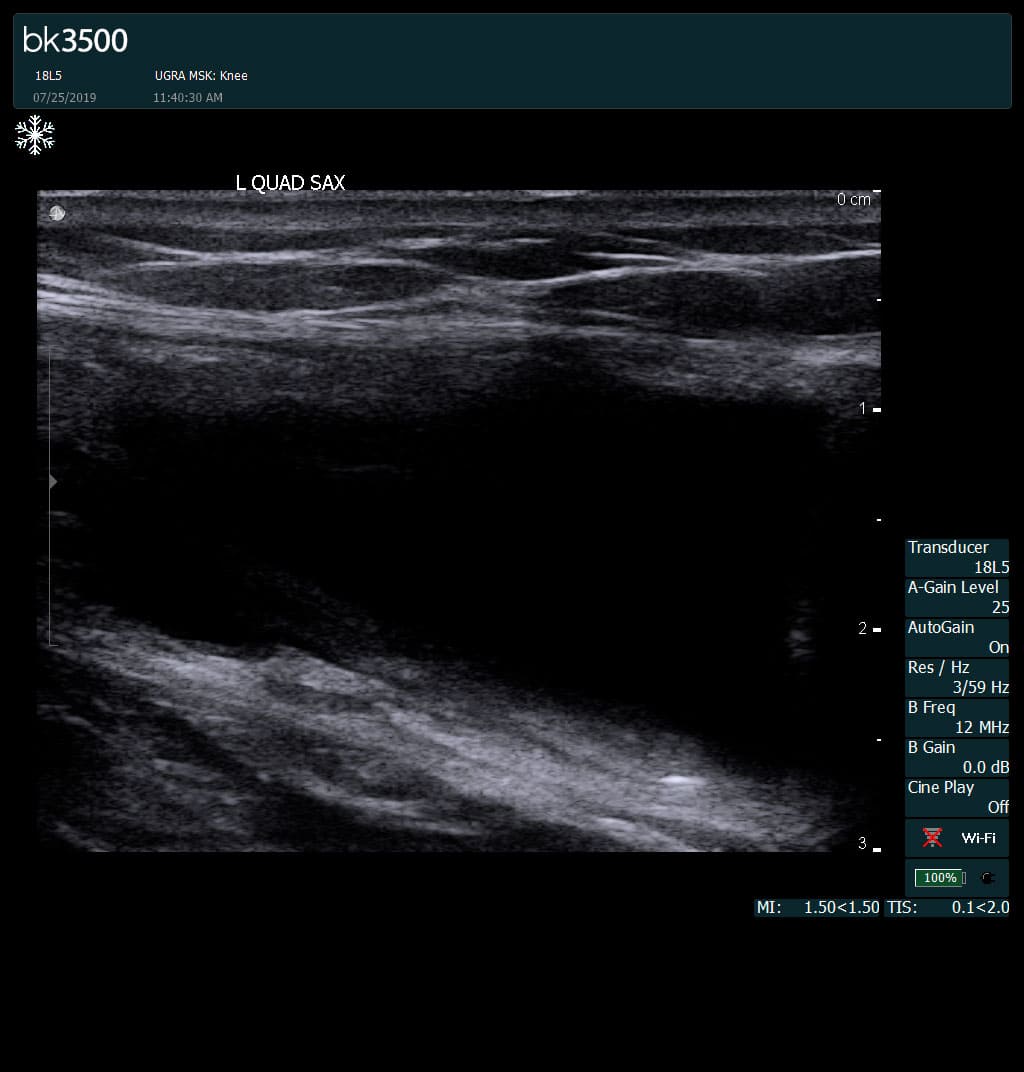
Complete tear of rectus femoris
with large hematoma (blood)
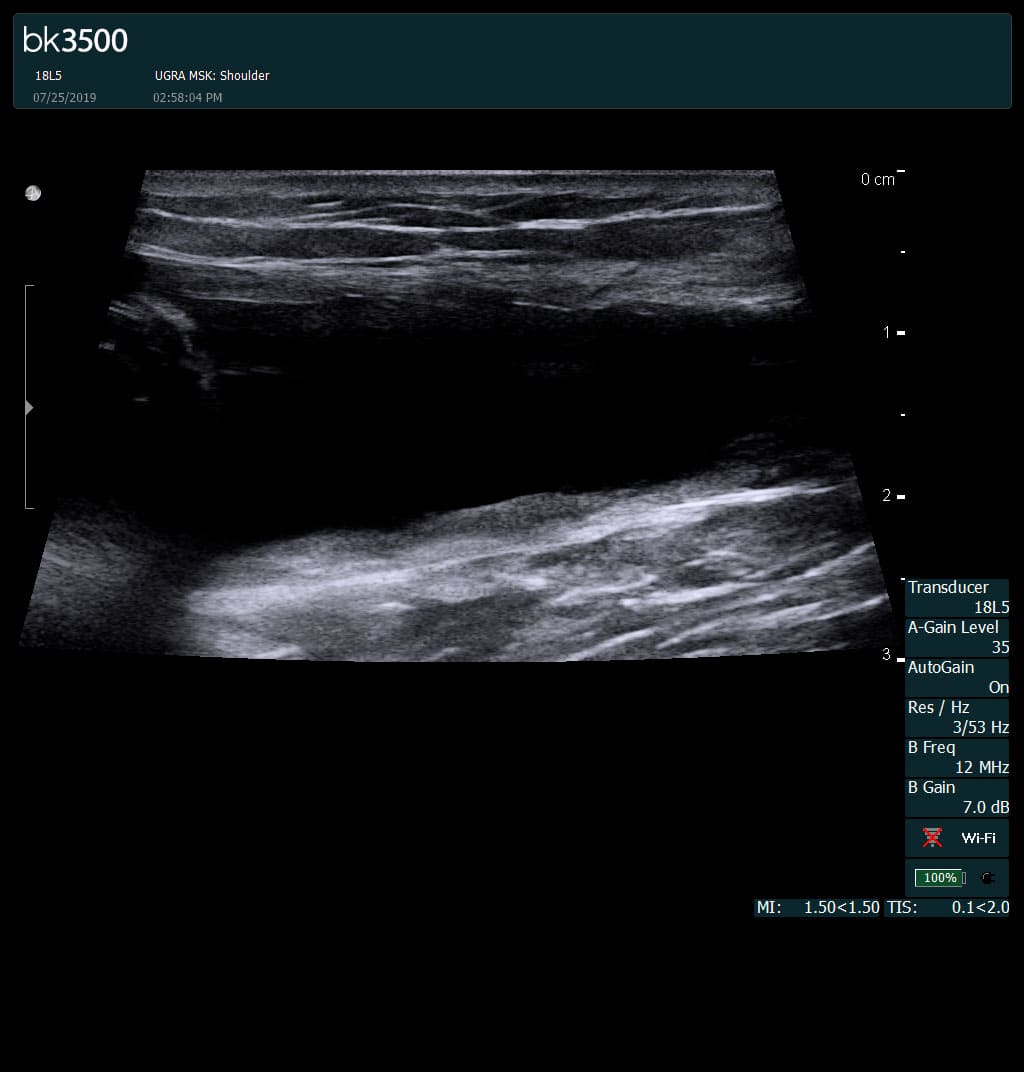
Separation of muscle ends due to tear elicited
on dynamic sonography examination


 Request Telehealth