Temporo-Mandibular Joints and Orofacial Pain

Patients with Temporo-Mandibular joints (TMJ) problems often become victims of excessive fragmentation of our complex healthcare system. An individual with persisting pain in the TMJ area may very soon find himself on a long, if un-amusing, journey through the complicated maze of the medical profession. From a dentists office to a neurologist and chiropractor, through physical therapist, to an otolaryngologist he would go. Even psychiatric advice is often sought when everything else fails. Each specialist would undoubtedly have the insight on the heart of the matter subjecting the patient to various tests and devising a treatment using methods specific to his area of medicine. Much too often however such a patient would emerge from his quest with his insurance coverage strained and his TMJ pain fully intact.

Most of the time a patient with TMJ problem initially will be seen by an orthodontist or a neuromuscular dentist, because in theory TMJ pain falls within the scope of their expertise. The truth however is that even though TMJs are anatomically located inside the oral cavity their dysfunction and pathology is rarely, if ever, caused purely by strictly dental problems, such as malocclusion or poor dentition. The simplest proof to this is in the fact that elderly people who, for obvious reasons, have much greater incidence of malocclusion statistically suffer much less problems with their TMJs. Another study involving postmortem examination found that a large number of deceased individuals in whom severe malocclusions were detected had no documented history of TMJ problems.

Due to the deficiencies in healthcare classification standards and overabundance of conflicting scientific evidence about the origin of symptoms like pain in the facial area and TMJ region, persistent headaches, earaches, ringing in the ears, decreased hearing, limited mouth opening, popping or locking of the jaw, hypertonicity of the masticatory musculature and other similar complaints they all are regarded as related to an assortment of conditions involving the Temporo-Mandibular apparatus. The collective term Temporo-Mandibular Disorder or TMD has been coined to describe these conditions without pointing out their etiologies. What is TMD?
TMD is a set of related pathological changes, which produce musculoskeletal symptoms in the jaw. The term TMD is deliberately broad and is only used to organize a variety of dysfunctions and disorders that result in abnormal function of the muscles and joints of the jaws. In order to understand TMD and Orofacial pain the clear definition of Temporo-Mandibular complex must be laid out. Temporo-Mandibular complex is an indelible part of the Locomotor system responsible for such vital functions like chewing, swallowing, speaking and breathing. It includes mandible (lower jaw) bilaterally articulated with the maxilla (upper jaw) by highly versatile Temporo-Mandibular joints (TMJs). This skeletal infrastructure is powered by masticators (chewing muscles) that depress, elevate, protrude and retract the lower jaw, the main movable component of the system. Supra- and infra- hyoid muscles, which assist the hyoid bone in its various movements, are closely connected with the above-described functionality. Last, but not least, another important element of Temporo-Mandibular system is the cervical segment of the spine which is intimately linked to the functioning of the orofacial system. Of utmost importance is the fact that Temporo-Mandibular complex represents an integral part of the whole Locomotor system, meaning that TMJ movement is controlled by the same neurological mechanisms that control any movement in the body. Temporo-Mandibular system is densely innervated and its motor control is provided through the integration of stimuli projected from various receptors within the oral cavity, cervical proprioceptors, and receptors located in the nasopharyngeal and gastro-esophageal areas. Sensory input coming from visual, auditory and vestibular areas also affect the function of Temporo-Mandibular system. Not least important is the association of the respiratory system with Temporo-Mandibular functionality. Integration of all of these stimuli with the input coming from muscles and joints of entire Locomotor system, provide the neurological basis for motor control of the Temporo-Mandibular complex.
Temporo-Mandibular system is one of the most active and powerful structures of human body. It works during the day and while we are asleep. Due to the massive continuous workload and considerable forces exerted by its components it is a subject to breakdowns. Fortunately for the patient the Temporo-Mandibular system is very resilient and capable of self-repair when a proper treatment is administered.

Causes of Orofacial pain arising from within the Temporo-Mandibular system:

  • Repetitive overload of masticatory muscles and TMJs.
  • Acute overload of the Temporo-Mandibular structures.
  • Parafunctional habits (lip biting, teeth clenching and grinding and etc)
  • Direct trauma to TMJ
  • Cervical spine dysfunction forward head position and poor scapular stability
  • Malocclusion
  • Structural deformity of the craniofacial bones (growth disorders)
  • Arthritic disease of TM joints

Dysfunctions and pathologies outside the Orofacial system contributing to the breakdown of Temporo-Mandibular complex:

  • Emotional disturbances (depression, anxiety, etc.)
  • Mouth breathing and faulty respiration
  • Chronic nasal airway obstruction (Sinusitis, Adenoidal hypertrophy and others)
  • Swallowing disorders
  • Neurological disease affecting Nervous system (MS, Stroke and etc.)
  • Eyestrain
  • Central coordination disorder
  • General hypermobility

Other diseases and dysfunctions, which could mimic Orofacial pain

  • Dental disease infection in the oral cavity, atypical odontalgia
  • Neurological lesions Atypical facial pain and Trigeminal neuralgia
  • Oral lesions tumors in the oral cavity.
  • Vascular lesions Temporal arthritis and facial migraine
  • Ear disorders otalgia of various etiology
  • Eye disorders

Major categories of TMD

  • Myofascial disorders
  • Temporo-Mandibular joint disorders
  • Mandibular mobility disorders
  • Degenerative/inflammatory disorders
  • Growth disorders

Diagnostics of TMD

Diagnosed TMDs fall into three basic etiological categories:

  • Pure myofascial etiology. Resulting strictly from hypertonicity of masticator musculature, but may also involve muscles of the cervical spine.
  • Mixed etiology. Masticatory muscle hypertonicity in conjunction with some degree of intra-articular TMJ dysfunction (hypo- or hypermobility in one or both joints, with or without periarticular adhesions).
  • Resulting from true intra-articular pathology with locking of the jaw.

TREATMENT

TMDs of any etiology in general seldom require a surgical intervention. Historical research data has shown that jaw repositioning (one of the common measures taken in combating TMDs in adults) has failed to yield any significant improvement in the recovery ratio. It is a risky and expensive procedure that seems to have been developed by creative dental specialists out of desperation due to the lack of better, scientifically proven alternatives. Such dental measures like occlusal grinding, expensive crowns and bridges, and full mouth restorative procedures also lack sufficient statistical evidence proving them to be effective as cure of TMDs.

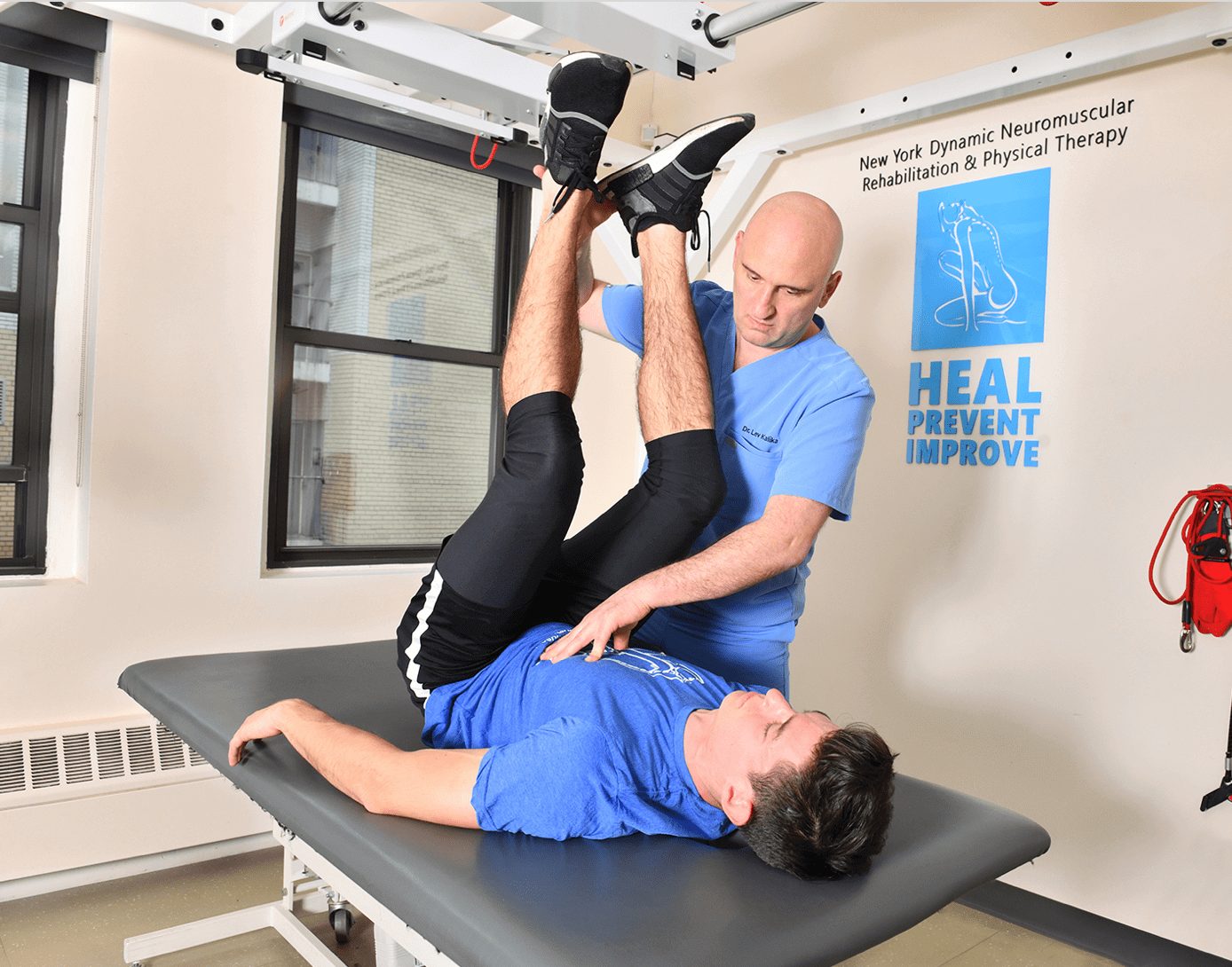
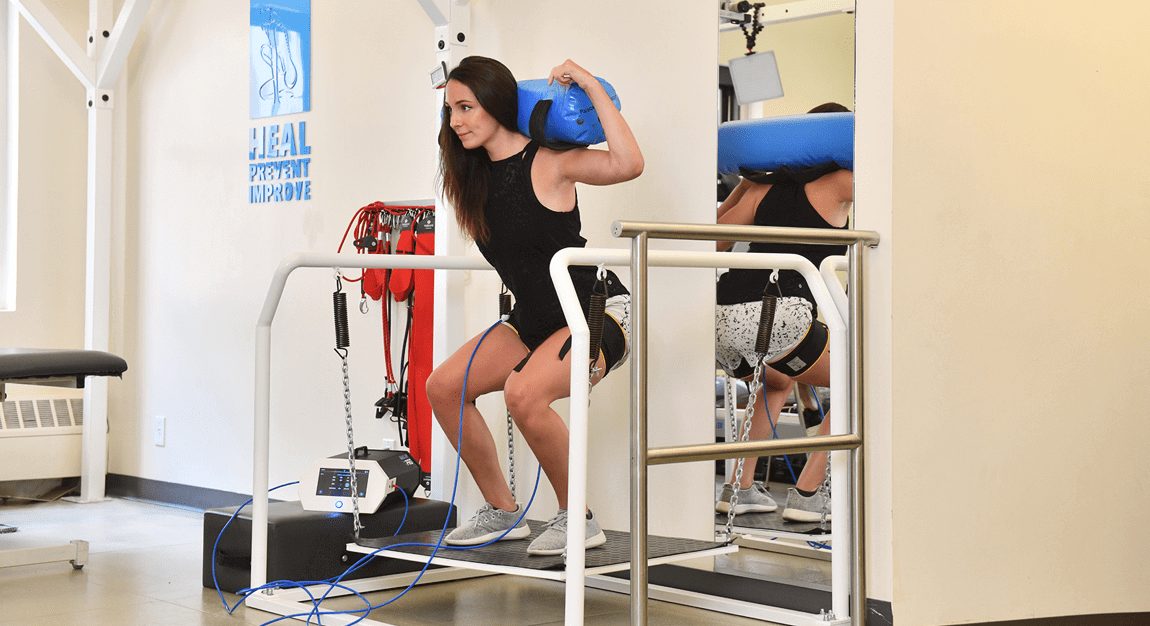
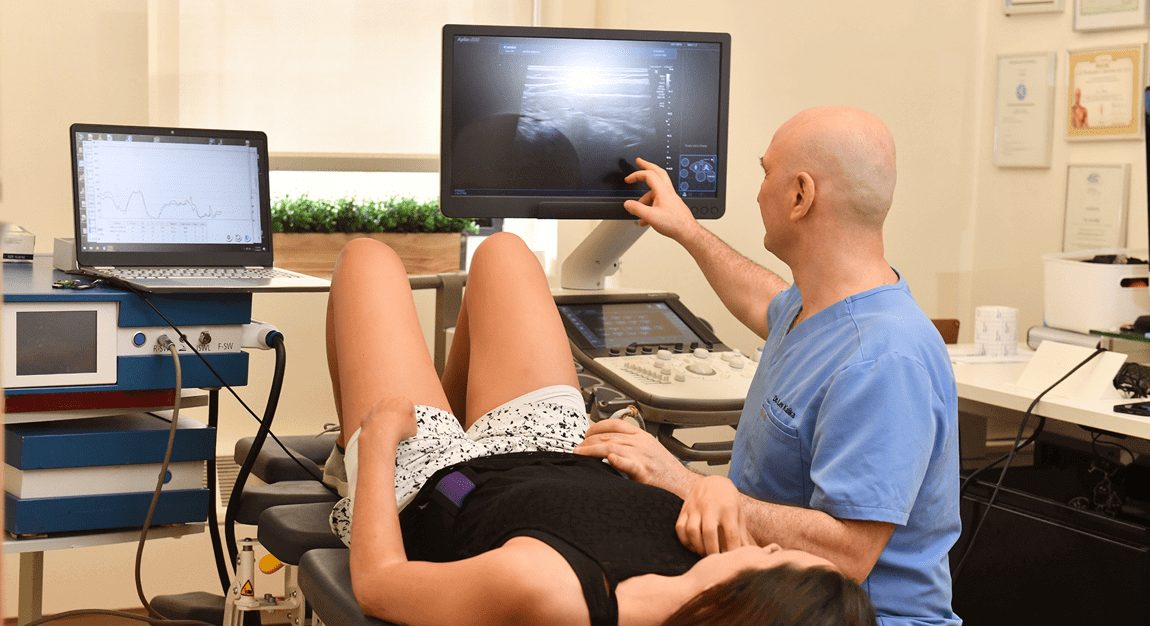
Conditions from Categories 1 and 2 (see above) should be treated by a neuromuscular therapist (chiropractor or physical therapist) specializing in TMD. Special attention has to be devoted to dysfunction in the Locomotor system as a whole because the local manual approach alone may not be sufficient. Treatment of the entire Locomotor system is necessary to avoid recovery delay and subsequent chronicity. This is especially the reason why intraoral appliances, such as dental splints, should only be used in conjunction with neuromuscular physiotherapy or as a supplemental home therapy to consolidate the recovery achieved by the neuromuscular treatment.

TMDs caused by infrarticular pathology (category 3) require close cooperation between orthodontist or maxillofacial surgeon and neuromuscular specialist. The worlds scientific authority recommends treating these cases conservatively until maximum improvement is achieved before committing to surgery. At present about fifty percent of such cases are managed without any orthodontic or orthoghnathic intervention. It must be up to the neuromuscular specialist to make a sound judgment, based on good clinical skills and clear understanding of structural pathology of the TMJ, whether the conservative care is no longer effective and refer the patient for surgical consultation. Pain control and behavioral issues

Although, most of TMDs are self-limiting, they could generate excruciating pain and cause significant distress to the patient. Improper management of TMD can lead to chronicity, emotional distress and create a devastating impact on the patients quality of life. When chronic TMD is present pain medication and neuromuscular therapy may not be sufficient. Meditation, relaxation and referral to a psychosocial specialist or a pain clinic may be warranted.

Comments are closed.